7 Best Tech Gadgets of August 2026
Summary: August 2026 brings an intentional lineup of gadgets prioritizing utility and portability over flashy headline specs. Highlights include an open-source Raspberry Pi handheld, an origami-inspired folding mouse, a dual-screen E Ink notebook, and long-awaited releases from Samsung and Google.
Key Takeaways
- Utility over Hype: Recent tech releases focus on solving specific workflow friction points rather than chasing inflated spec sheets.
- Form-Factor Innovations: Compact, foldable, and multi-functional designs—such as flat-folding mice and dual-screen E Ink notebooks—are reshaping daily carry equipment.
- AI & Legacy Hardware Convergence: Major tech companies are refreshing staple home hardware with integrated AI models, while niche hardware revives tactile media experiences like CDs.
Comparison: 7 Best Tech Gadgets of August 2026
| Gadget | Form Factor & Specs | Key Innovation | Estimated Price |
|---|---|---|---|
| piBrick Pocket-CM5 | 3.92" AMOLED (90 Hz), CM5 | USB-HID mode turns handheld into external keyboard | ~$172 (DIY parts) |
| OrigamiSwift Mouse | Flat-folding origami structure | Ultra-thin full-size mouse that flattens into pockets | ~$49 |
| Dual-Screen E Ink Pad | Dual 10.3" E Ink panels | Dedicated simultaneous reading & handwritten annotation | ~$499 |
| Samsung Galaxy Z Fold 8 | Dynamic AMOLED 2X, Snapdragon 8 Gen 5 | Tiered fold architecture with slimmer hinge profile | Premium Flagship |
| Google Smart Speaker (2026) | Integrated Gemini Nano local audio engine | Privacy-first on-device speech processing | ~$99 |
| Modular MagSafe Power Core | Qi2 + MagSafe 15 W wireless | Detachable stacking battery blocks for mobile carry | ~$79 |
| Tactile CD Player Revival | Transparent chassis, optical laser + DAC | Modernized nostalgic media playback with aptX Lossless | ~$129 |
Detailed Overview
August arrives with a lineup that feels genuinely considered. Not every gadget this month is chasing a headline spec or fighting for shelf space. Some of the most interesting things landing right now are smaller, quieter, and more honest about what they actually do — a folding mouse that disappears into a shirt pocket, a bedside unit that replaces three devices at once, and a dual-screen E Ink tablet that finally treats reading and writing as a single workflow rather than two separate tasks competing for the same screen.
There's also something larger worth paying attention to. Samsung is officially pulling back the curtain on the Galaxy Z Fold 8 this month, and what's shaping up as a tiered foldable lineup could redefine the category's identity. Meanwhile, Google has quietly slipped a new smart speaker onto store shelves for the first time in six years.
Deep Dive & Technical Insights
1. piBrick Pocket-CM5
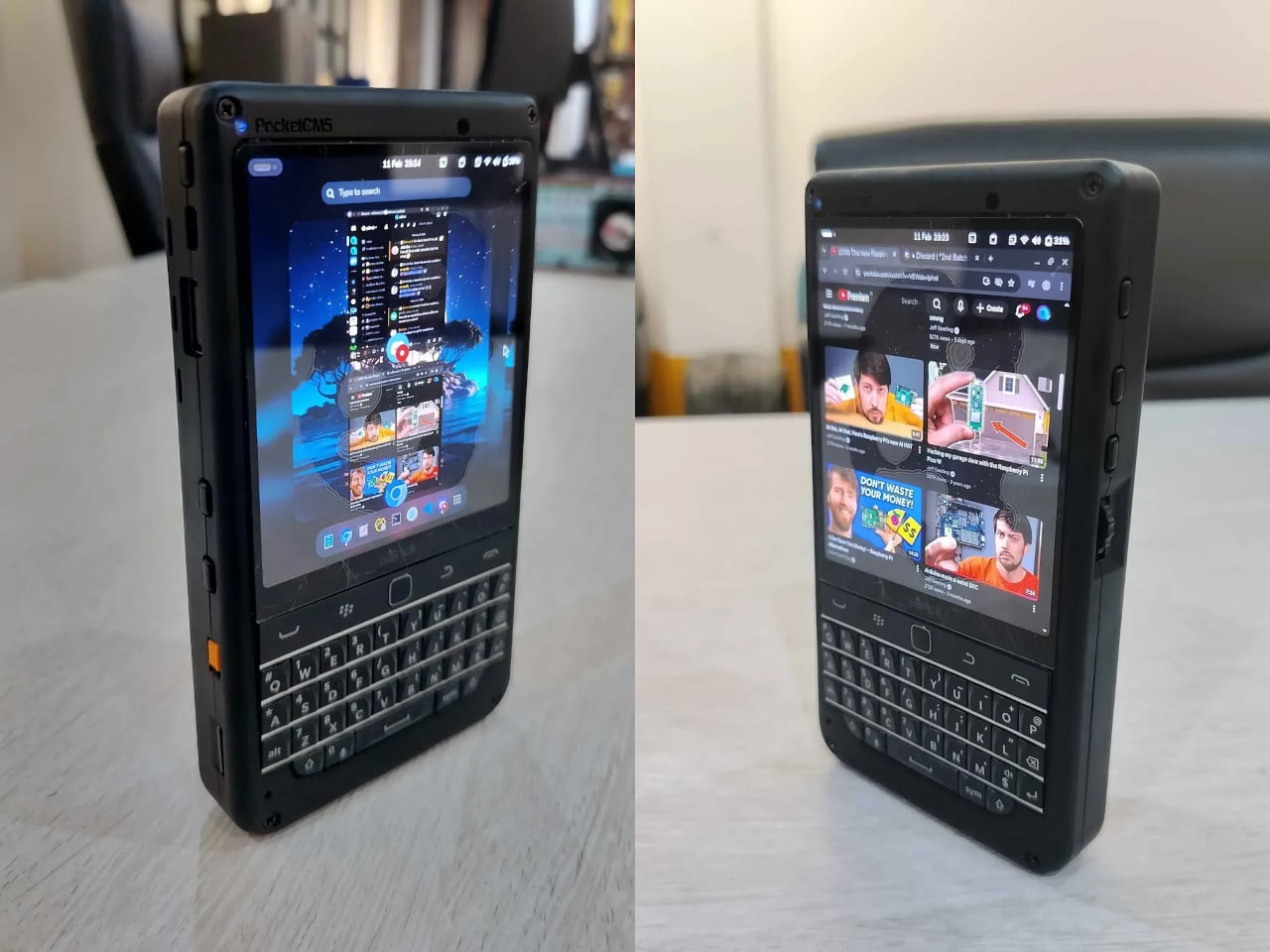
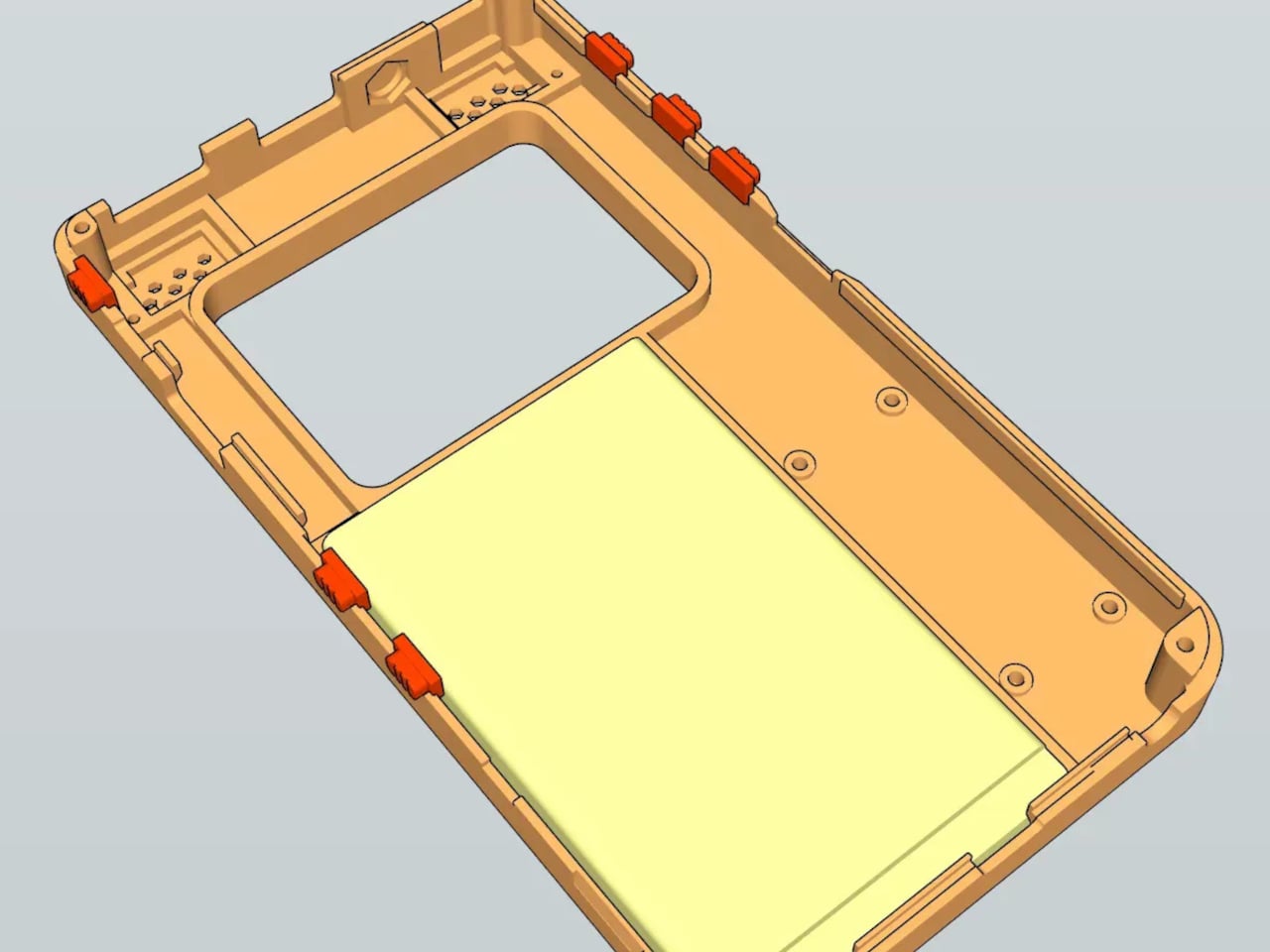
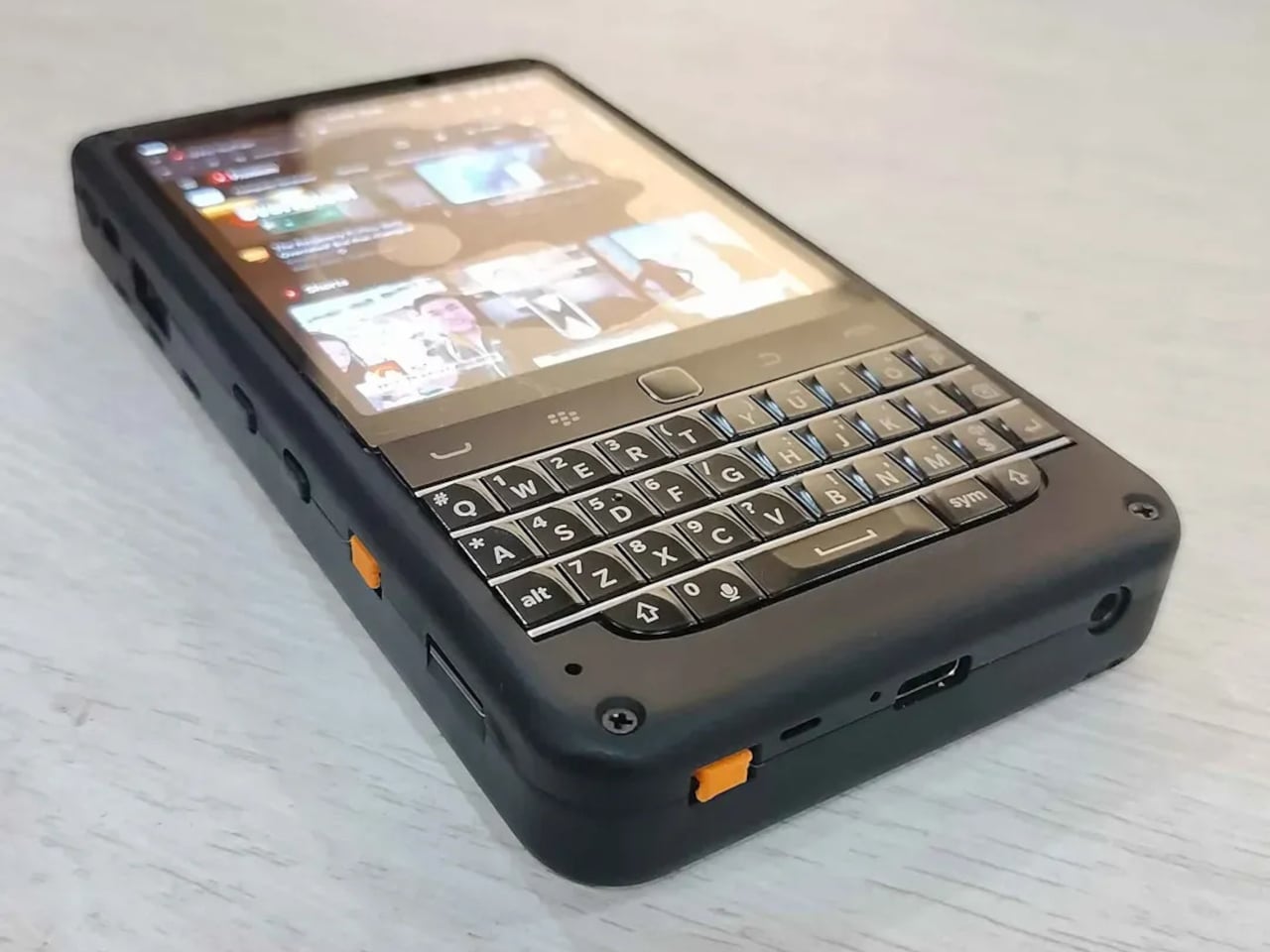
Built by Ahmad Amarullah on a custom PCB designed around the Raspberry Pi Compute Module 5, the piBrick Pocket-CM5 is an open-source handheld costing around $172 in parts. Arriving at compact dimensions ($80 \times 145 \times 19.6\text{ mm}$), it features a 3.92-inch AMOLED display running at $1080 \times 1240$ resolution at 90 Hz, covered by Asahi tempered glass. Full-size and micro-HDMI outputs allow the pocket device to drive external monitors directly.
The built-in BBQ20 physical keyboard incorporates a BlackBerry-derived trackpad, complemented by side rotary encoders and five programmable buttons. Hardware specs include a 5,000 mAh LiPo battery, NVMe SSD support (2230 or 2242 form factors), and USB 3.0 Type-A and Type-C ports. Crucially, its USB-HID mode allows the device to act as an external USB keyboard and trackpad when plugged into any computer.
What We Like:
- USB-HID Mode: Functions as a standalone input device for external machines.
- High-Spec Display: 90 Hz AMOLED panel in a DIY pocket form factor.
What We Dislike:
- Assembly Required: Requires manual component sourcing, PCB manufacturing, and 3D printing.
- Learning Curve: The compact BBQ20 keyboard layout takes time to adapt to for long typing sessions.
2. OrigamiSwift Folding Mouse

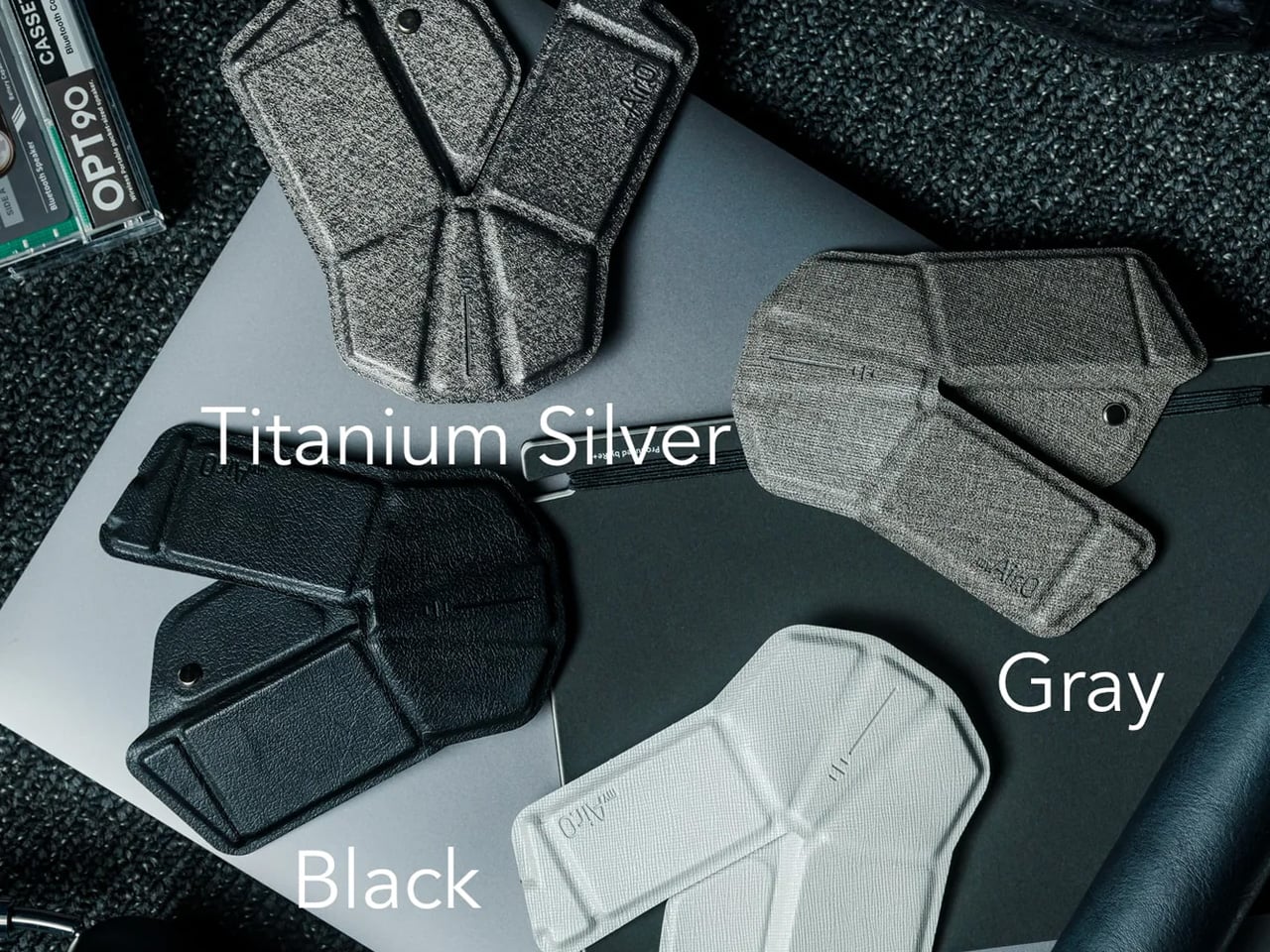
Designed by Horace Lam, the OrigamiSwift is a Bluetooth mouse that folds flat to 0.18 inches—thinner than most physical notepads—and snaps into a full-sized ergonomic shape in under half a second using structural origami geometry. Weighing only 40 grams, it connects via Bluetooth 5.2 and utilizes a 4,000 CPI HD infrared sensor capable of tracking up to 30 inches per second.
The rigid triangular structure absorbs daily pressure without bending, and soft-click buttons provide quiet feedback. Battery performance reaches up to three months on a single USB-C charge. It supports macOS, iPadOS, Windows, and Android natively without additional driver installations.
- Price: $85.00 (Buy Now)
What We Like:
- Battery Efficiency: Up to 3 months of use from a single USB-C charge.
- Ultra-Lightweight: At 40 g, it offers extreme portability for travel setups.
What We Dislike:
- CPI Ceiling: 4,000 CPI maximum might not suit ultra-high-resolution or multi-display power users.
- Availability: Limited stock availability.
3. Divoom FlowToo
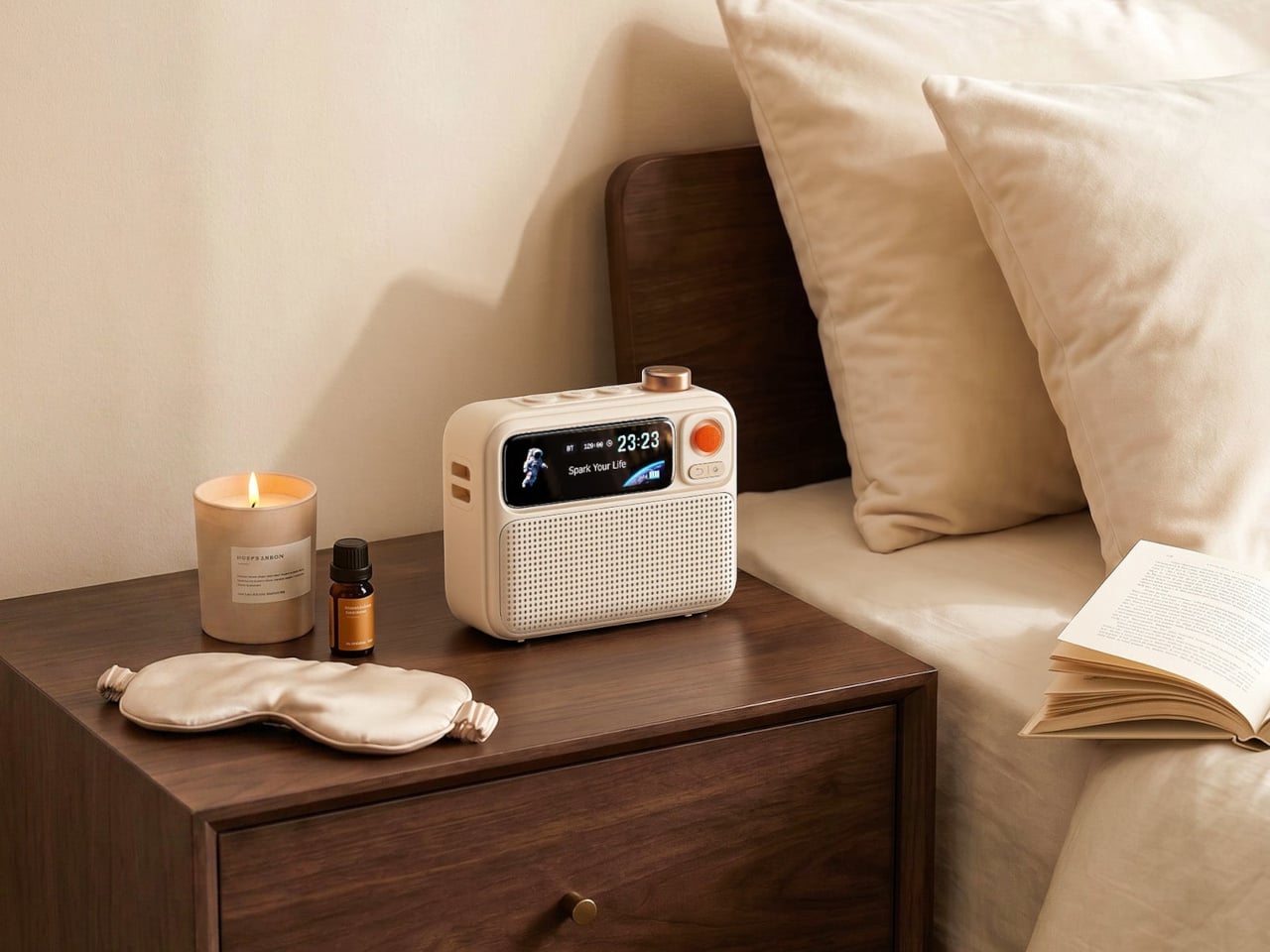
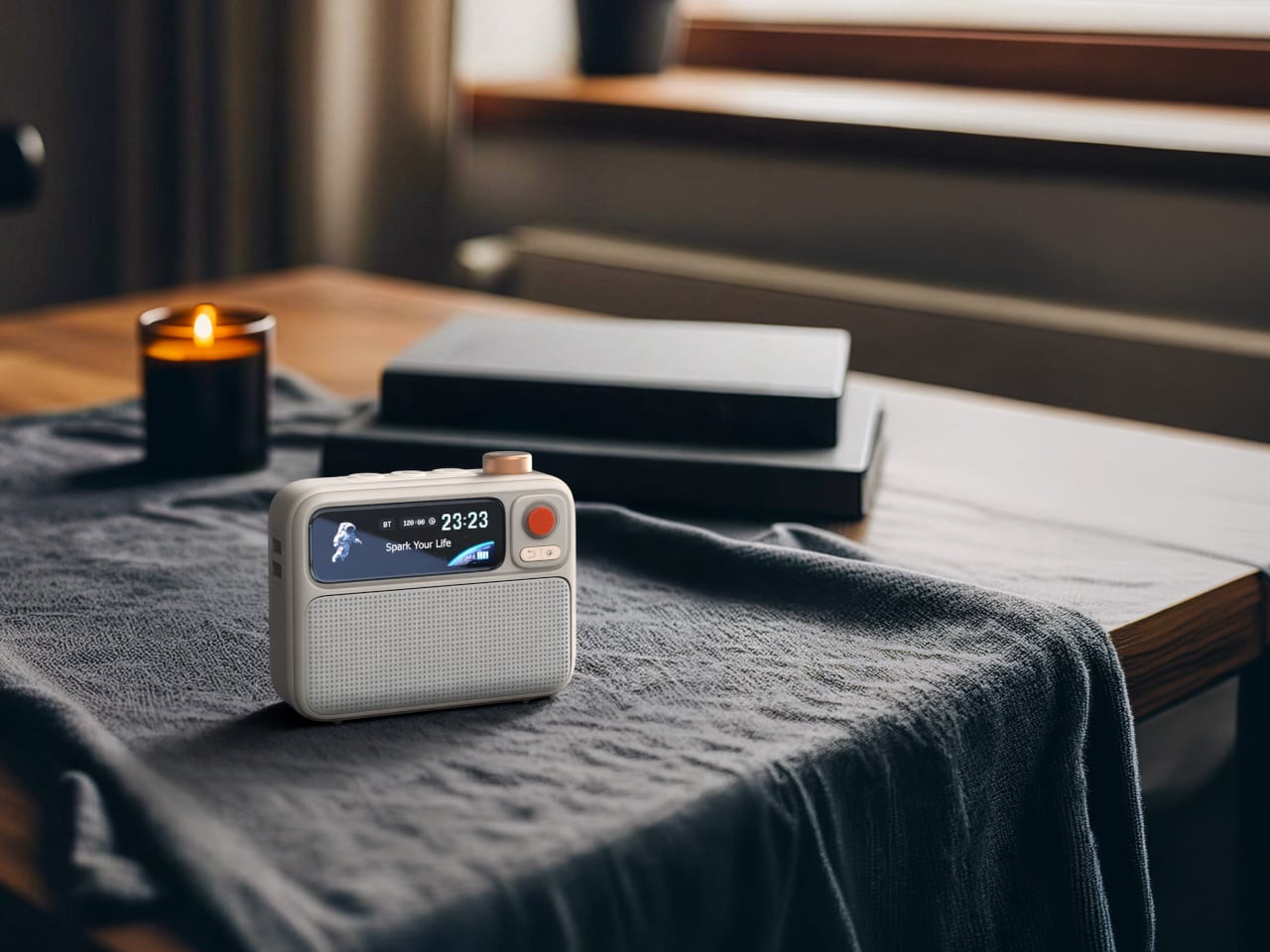
The Divoom FlowToo ($99.99) consolidates a Bluetooth speaker, white noise generator, and smart alarm clock into a single bedside unit. Powered by a 10 W amplifier paired with a 45 mm full-range driver, it offers clear audio output across ambient and music playback modes. It comes pre-loaded with over 90 ambient soundscapes managed via the companion Divoom smartphone application.
Its 2.26-inch integrated smart display displays custom clock faces, audio visualizers, sleep animations, and mood lighting. The wake-up routine gently increases light and volume levels over time rather than relying on abrupt alarms.
What We Like:
- Audio Quality: 10 W full-range driver delivers solid audio quality for a nightstand device.
- Gentle Alarms: Gradual light-and-sound alarm sequence provides a better wake-up experience.
What We Dislike:
- Specialization Trade-off: Dedicated standalone speakers or white-noise machines outclass it in their single categories.
- App Reliance: Core functionality customization depends on the smartphone app.
4. Portable CD Cover Player
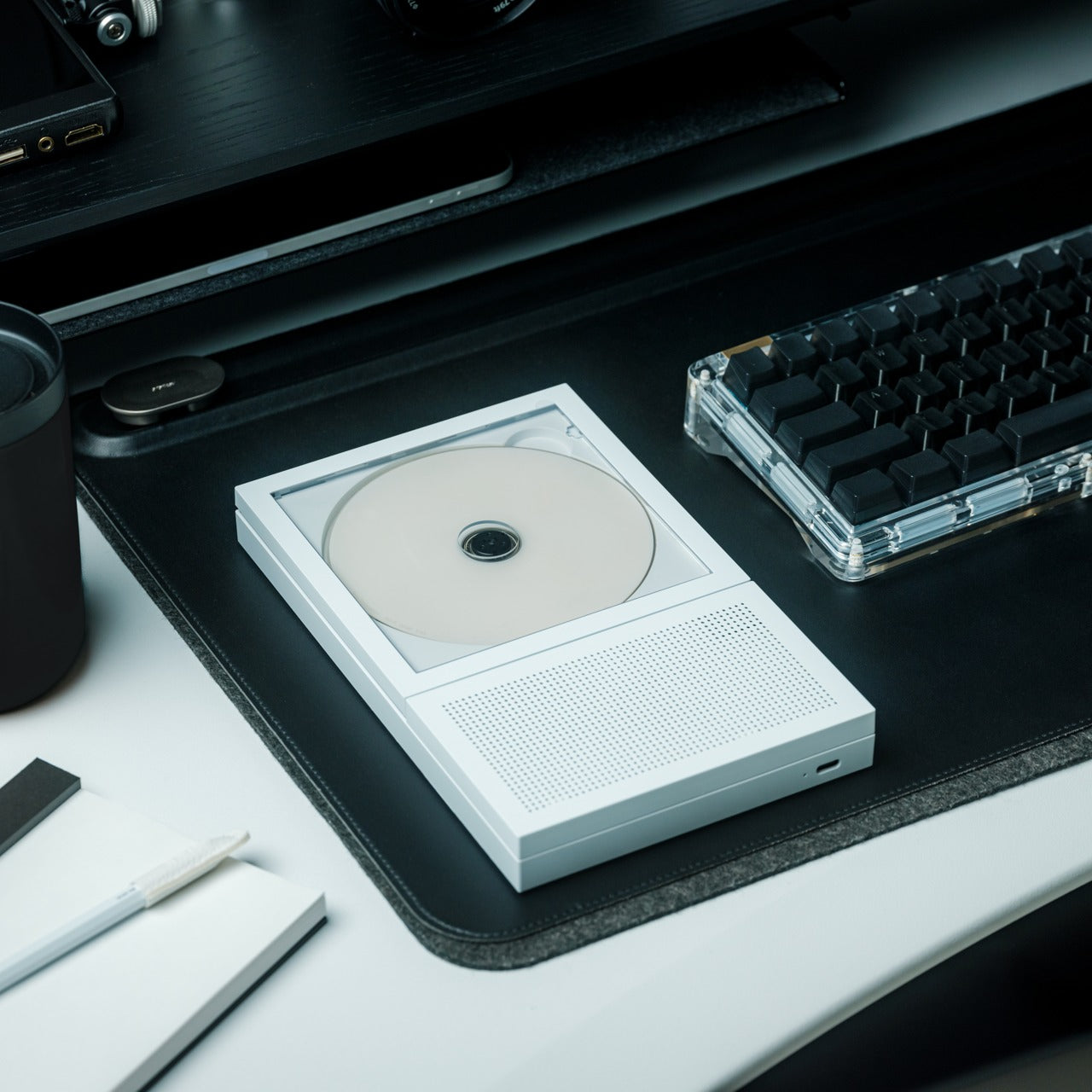
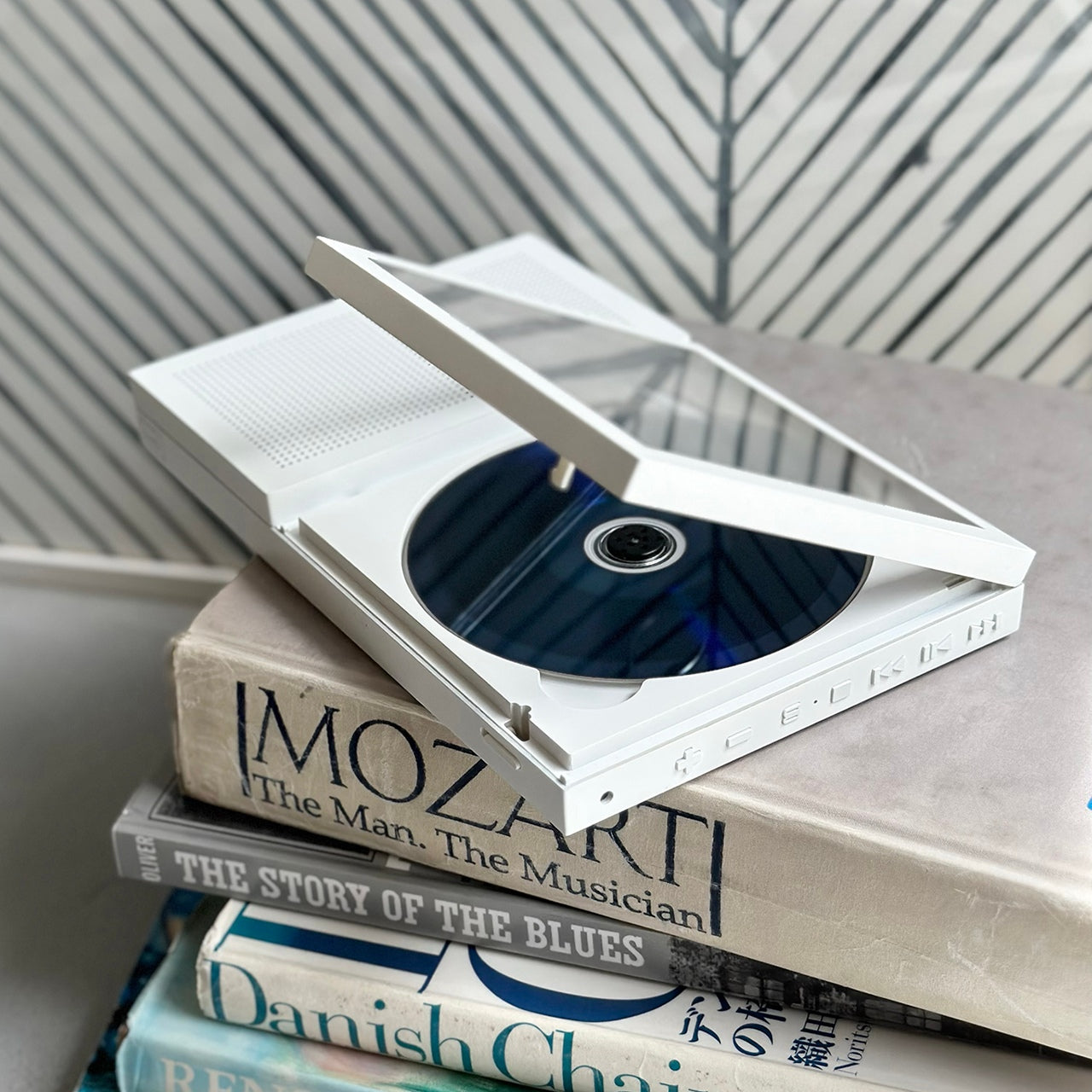
Designed to match the square dimensions of a classic jewel case or CD sleeve, the Portable CD Cover Player makes album artwork the physical centerpiece of digital-analogue audio listening. It caters to users seeking deliberate album-length playback away from algorithm-driven streaming services.
By combining retro physical media support with a modern, compact chassis, the device provides portable hi-fi audio tailored for CD collectors.
- Price: $199.00 (Buy Now)
What We Like:
- Tactile Design: Highlights full album cover art during physical media playback.
- Focused Listening: Promotes distraction-free, front-to-back album playback.
What We Dislike:
- Niche Market: Requires a pre-existing physical CD library to justify the price point.
- Low Inventory: Limited stock available at launch.
5. Samsung Galaxy Z Fold 8
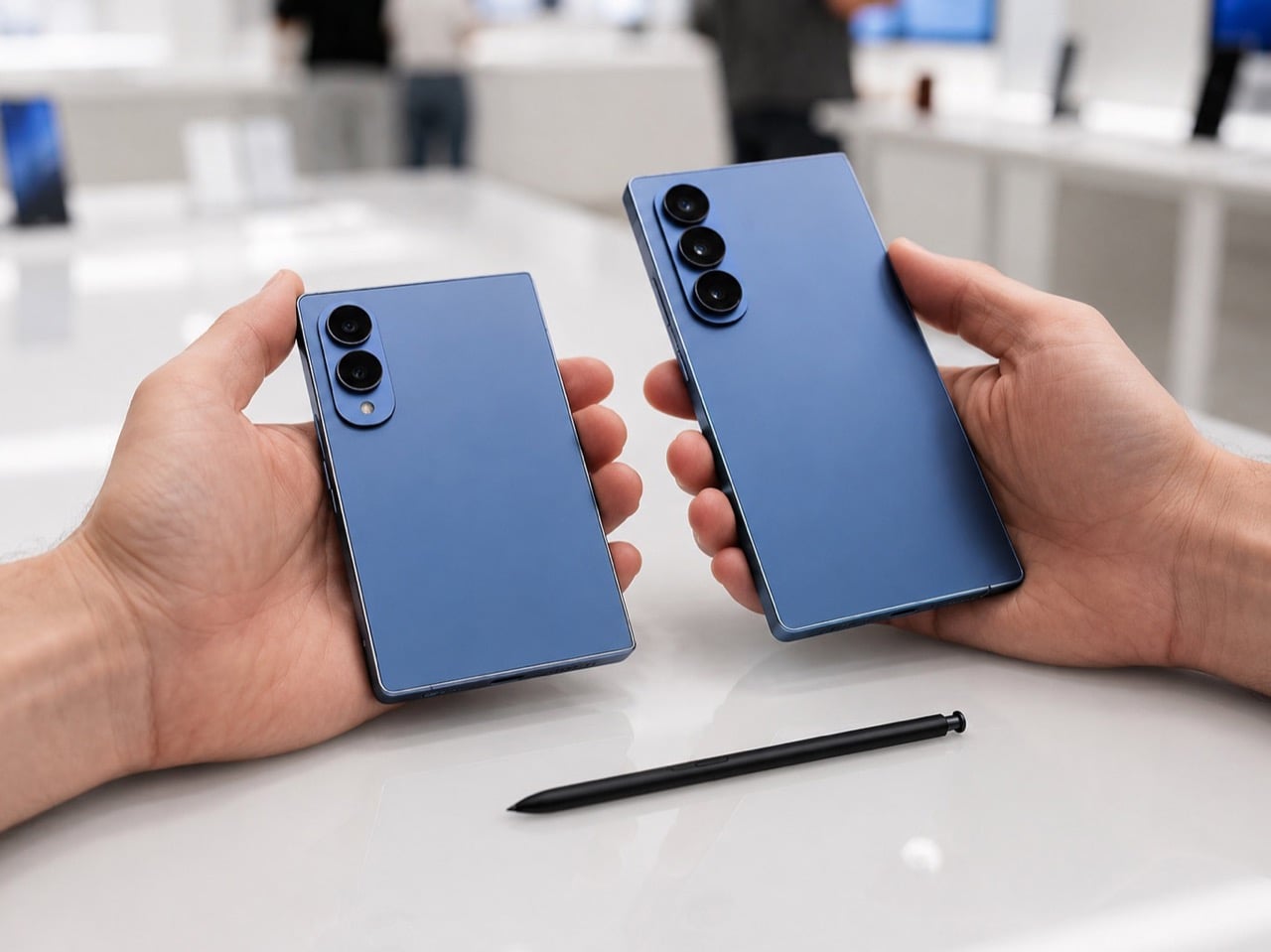
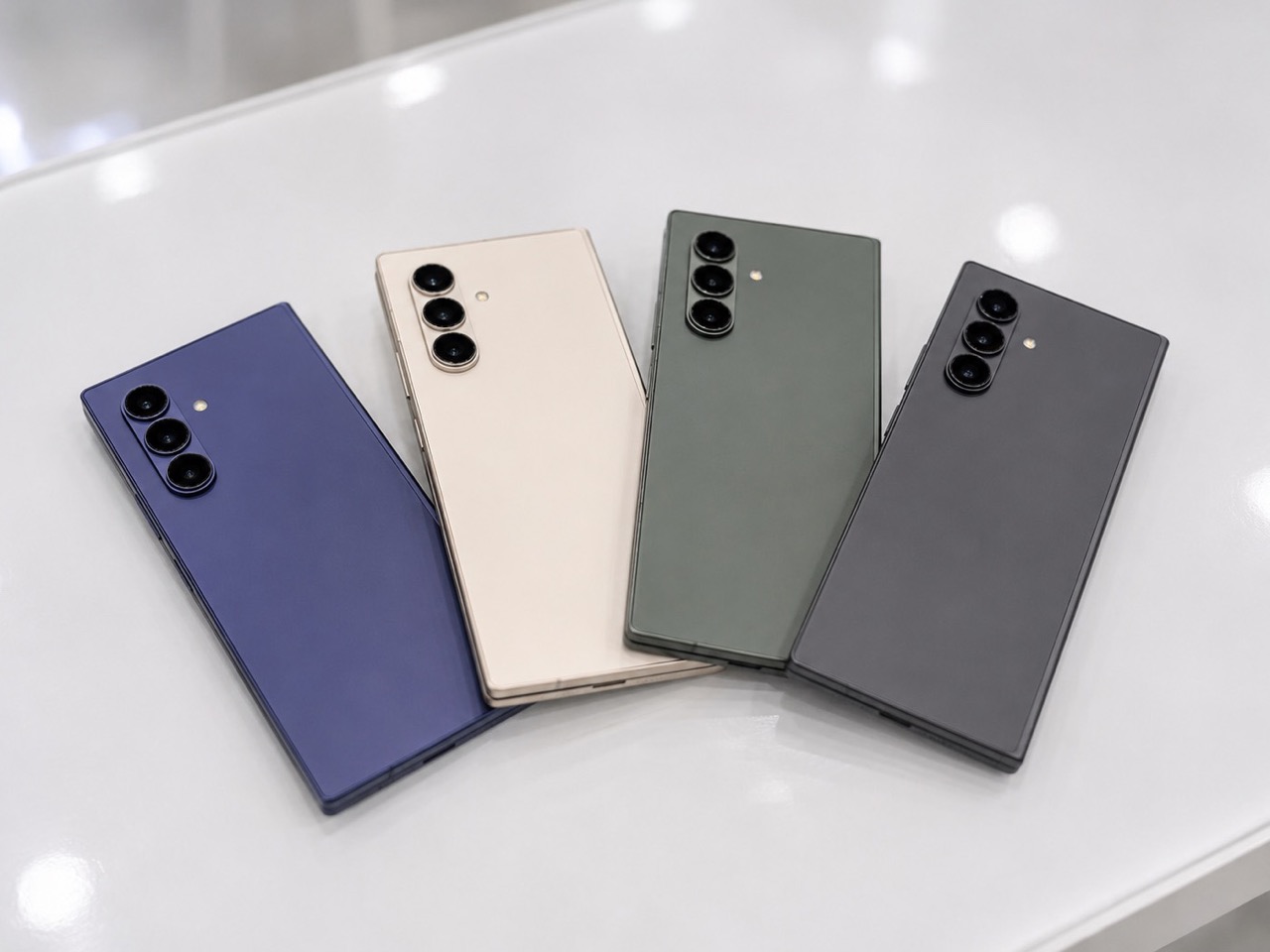
Samsung’s Galaxy Z Fold 8 line splits into three distinct variants:
- Standard Fold 8: 4.1 mm thin when unfolded.
- Fold 8 Wide: 3.9 mm thin profile.
- Fold 8 Ultra: Re-introduces S Pen support alongside a titanium-and-carbon-fiber chassis and a 5,000 mAh battery.
The material choices on the Ultra allow for digitizer integration without adding excessive chassis thickness, while offering the largest battery capacity seen in the series since the Z Fold 3.
What We Like:
- Ultra Features: S Pen support returns to the Ultra alongside a larger 5,000 mAh battery.
- Diverse Options: Tiered model structures cater separately to users wanting thinness versus productivity features.
What We Dislike:
- Feature Gating: S Pen support is restricted exclusively to the top-tier Ultra model.
- Multiple SKUs: Splitting the Fold lineup into three versions may complicate choice for consumers.
6. Google Home Speaker
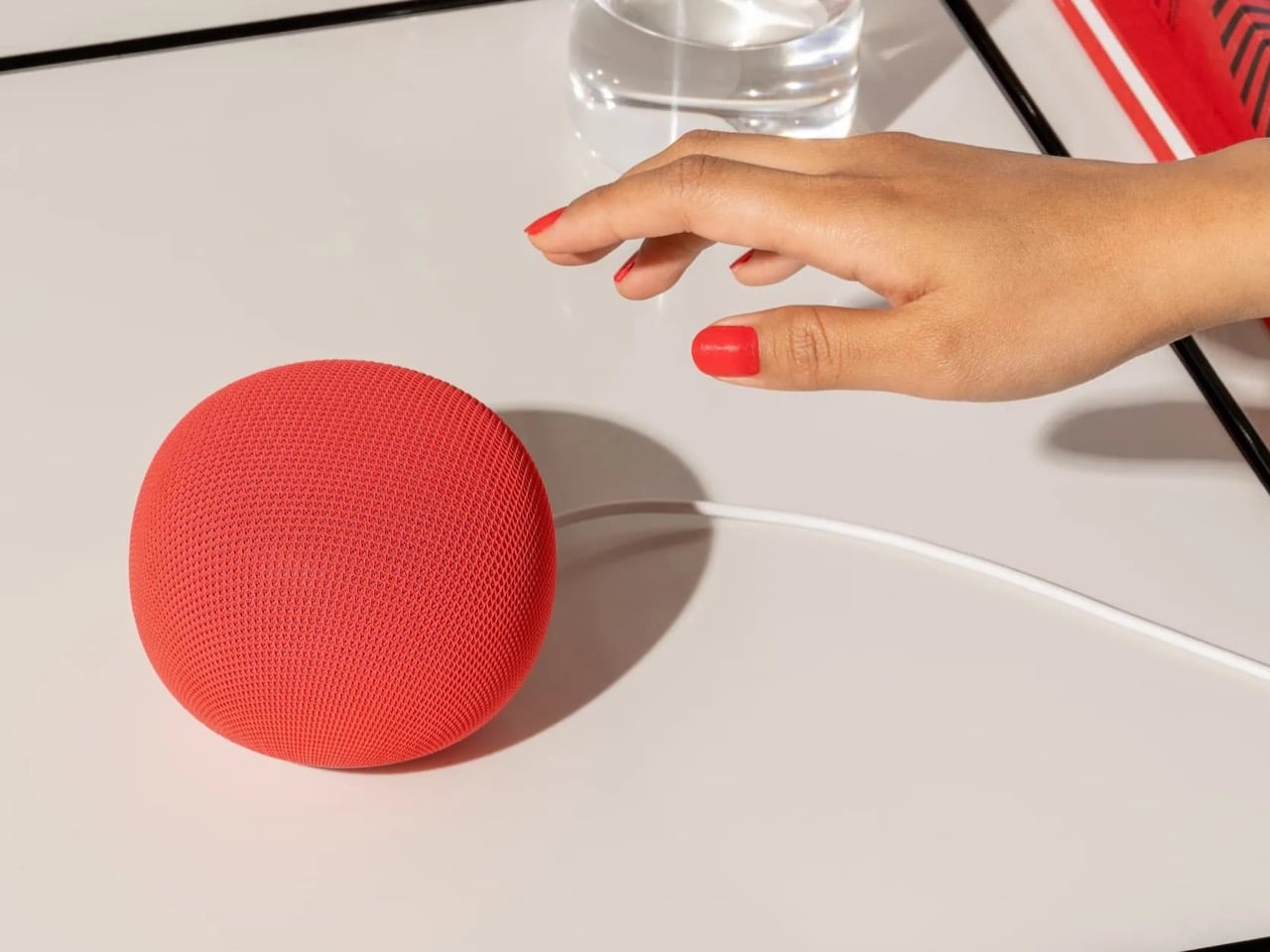
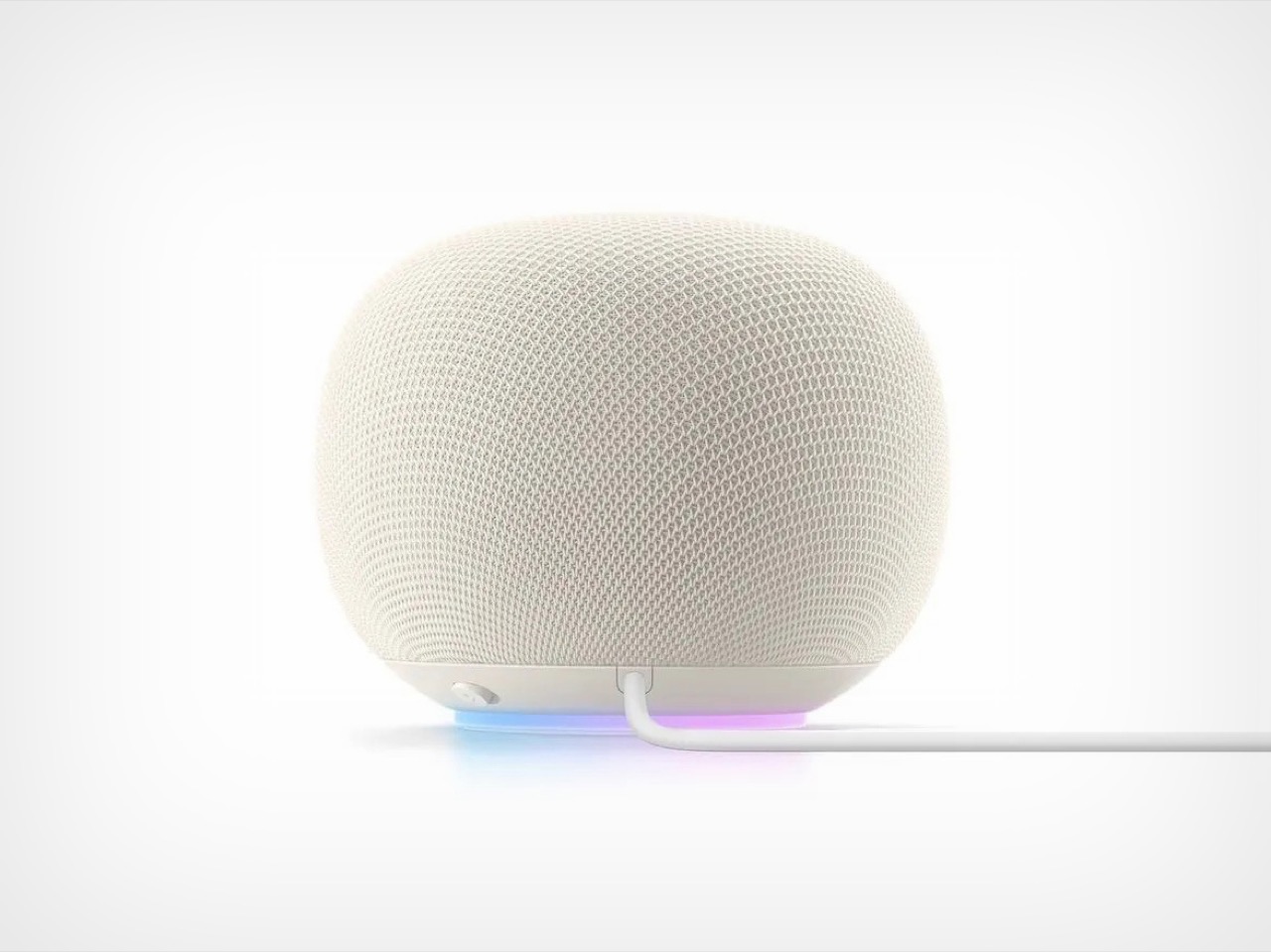
Marking Google’s first standalone smart speaker release since the 2020 Nest Audio, the new Google Home Speaker centres around native Gemini AI integration. The hardware features a rounded profile with soft fabric finishes, 360-degree audio drivers, accelerated local processing for faster voice responses, and a redesigned LED ring indicator to signal system activity.
What We Like:
- Native Gemini AI: Enables fluid, conversational interactions beyond traditional voice assistant commands.
- Hardware Upgrade: Updated audio processing offers a clear leap over 2020-era Nest units.
What We Dislike:
- Ecosystem Uncertainty: Inconsistent long-term smart home hardware strategies raise support questions.
- AI-Centric Focus: Marketing prioritizes AI integration over dedicated acoustic breakthroughs.
7. Inkleaf Foldable Dual-Screen E Ink Notebook


Designed by Kameron Yu, the Inkleaf Dual-Screen E Ink Notebook incorporates two 10.3-inch Carta panels on a precision-machined 180-degree hinge, enabling side-by-side reading and note-taking.
When folded, the cast aluminum body measures 8.4 mm thick and weighs 480 grams. Unfolded, each side measures 4.2 mm thin. The custom Android OS natively opens PDF, EPUB, MOBI, and TXT files, backed by AI-driven handwriting indexing for full-notebook search functionality.
- Price: ~$450.00 (Shipping August 2026)
What We Like:
- Dual-Screen Workflow: Eliminates app-switching friction by keeping reading materials and notes open at once.
- Ultra-Slim Profile: At 4.2 mm per panel, it is thinner unfolded than most single-screen E-Ink tablets.
What We Dislike:
- High Entry Price: $450 requires a strong commitment to an E Ink writing workflow.
- Refresh Rates: Android apps on E Ink displays remain limited by typical panel refresh latency.
Conclusion & Resources
August 2026 highlights a transition toward practical design choices across personal technology. From open-source hardware tools like the piBrick Pocket-CM5 to dual-display productivity tablets like the Inkleaf, manufacturers are creating items that fit directly into daily routines without added complexity.
- Explore original hardware announcements on Yanko Design.
- Check product availability and curated tools on the Yanko Design Shop.