This ESP32 Project Lets You Use Fancy Motorized Faders in Your Smart Home
Summary: Motorized faders are finding a new purpose in DIY smart home setups through ESP32-powered microcontrollers. By combining hardware solutions like FaderBuddy with ESPHome, makers can create physical sliders that automatically adjust their positions in real time to match smart home states like lighting, HVAC, and audio volume.
Key Takeaways
- Physical & Digital Sync: Motorized faders physically move to match state changes triggered by voice assistants, mobile apps, or automated scenes.
- Accessible Hardware: Studio-grade components like Behringer MF60T motorized faders (available in 5-packs for under $40) are now affordable for DIY projects.
- Modular Control via FaderBuddy: Scott Bezek's open-source FaderBuddy project bridges motorized faders with ESPHome using clean, human-readable YAML markup.
Detailed Overview
There is something deeply satisfying about physical controls—whether it's a clicky button, a chunky dial, or a smooth fader. Motorized faders are having a moment in the ESP32 hobbyist community, opening up modern tactile control possibilities for smart homes.
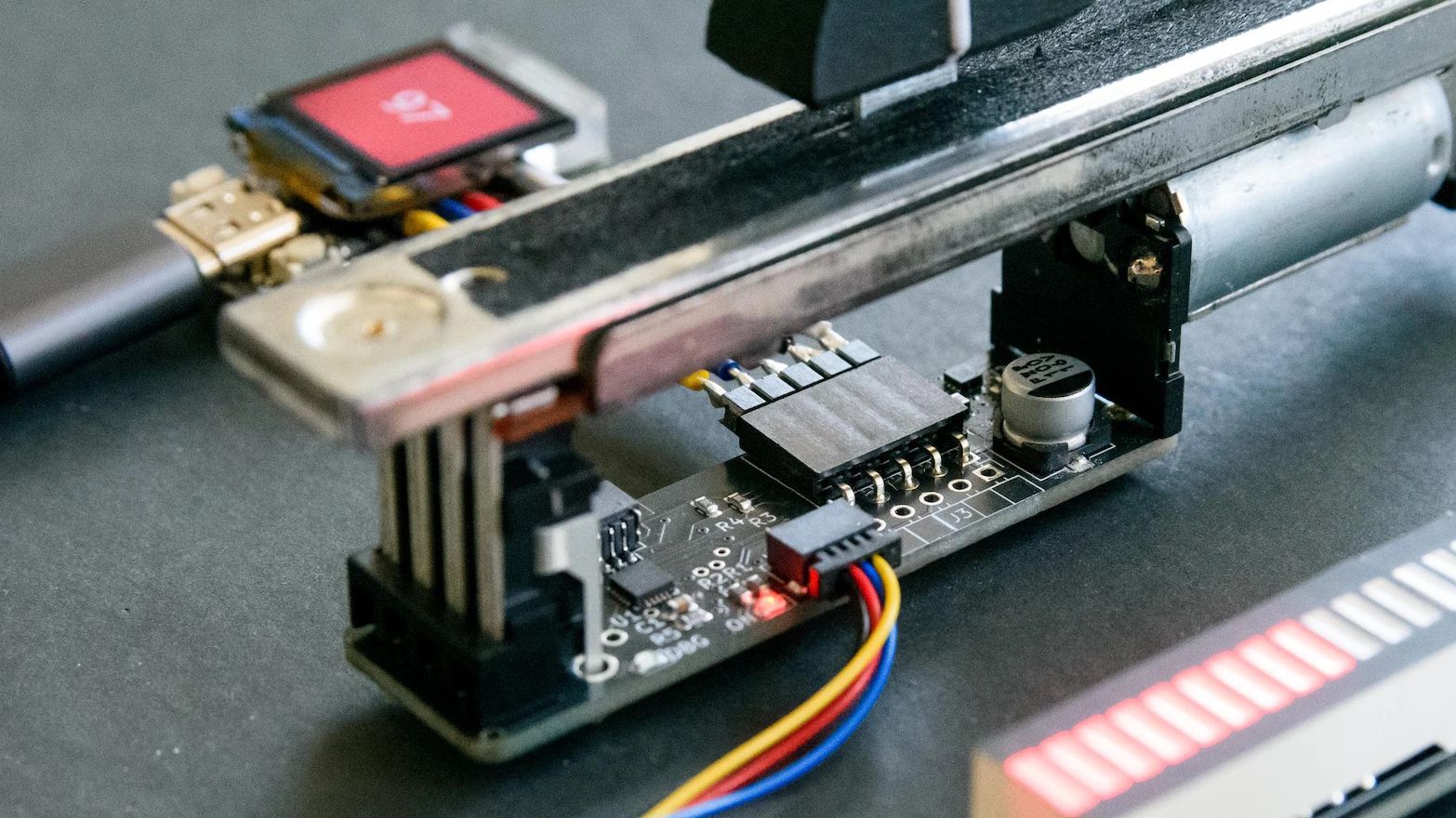
What Are Motorized Faders?
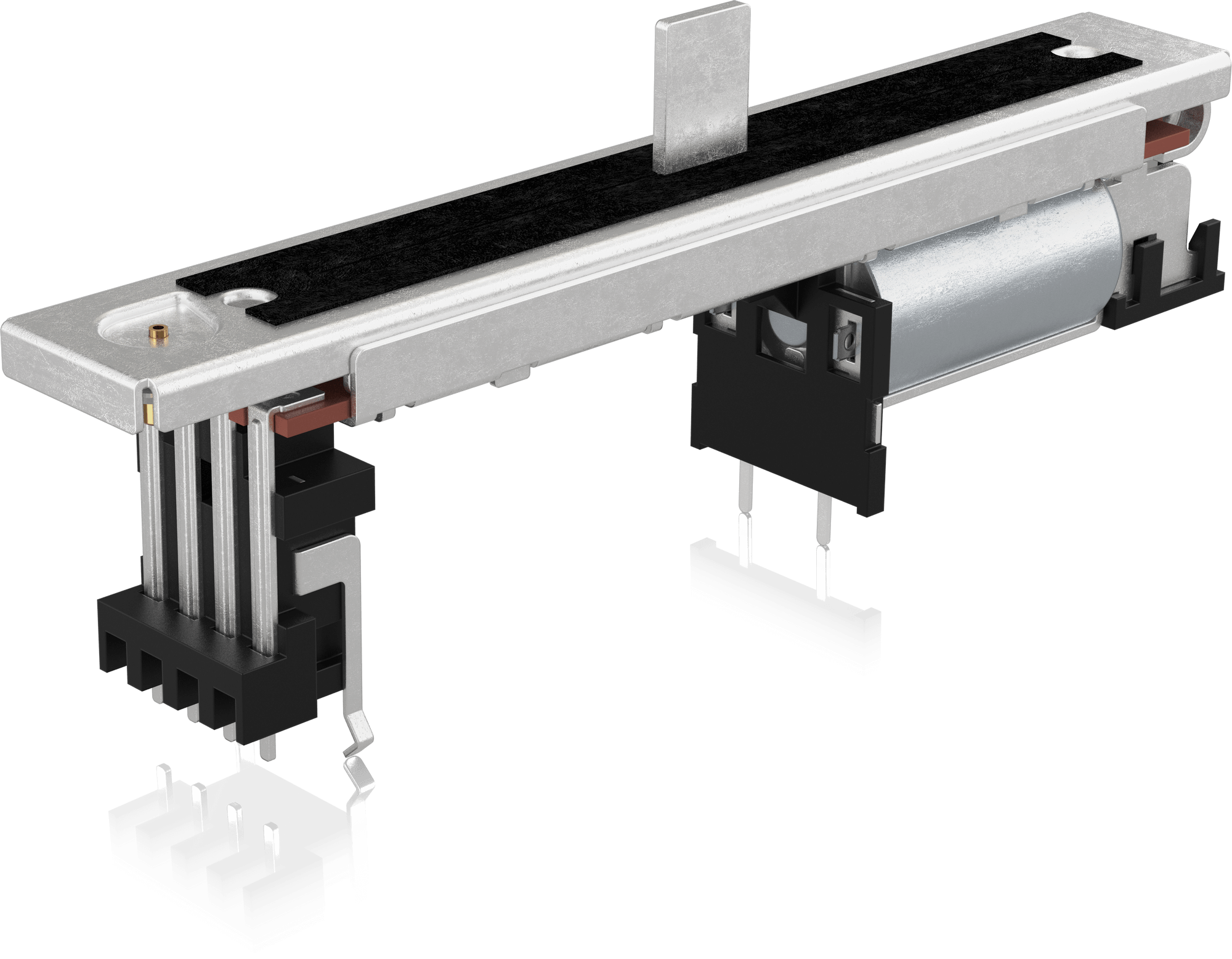
Motorized faders are standard hardware in high-end recording studio mixing consoles, where sliders move independently as audio parameters adjust automatically. Thanks to affordable options—such as Behringer's MF60T set of five faders for under $40—they are becoming practical for DIY microcontrollers.
When paired with an ESP32 controller, motorized faders provide two-way physical synchronization:
- Lighting Control: Slide a fader to adjust bulb brightness. If you switch to a different lighting scene using a voice command or mobile app, the motor drives the slider to the exact updated position.
- Media Volume: Dynamic volume management across different rooms or sources.
- Blinds & HVAC: Tactile control for motorized window coverings, fan speeds, or climate control.
Deep Dive & Technical Insights
FaderBuddy for ESPHome
FaderBuddy is a modular control board created by developer Scott Bezek. It acts as an intermediate hardware interface between Behringer MF60T motorized faders and an ESP32 board running ESPHome.
FaderBuddy Design & Modular Setup
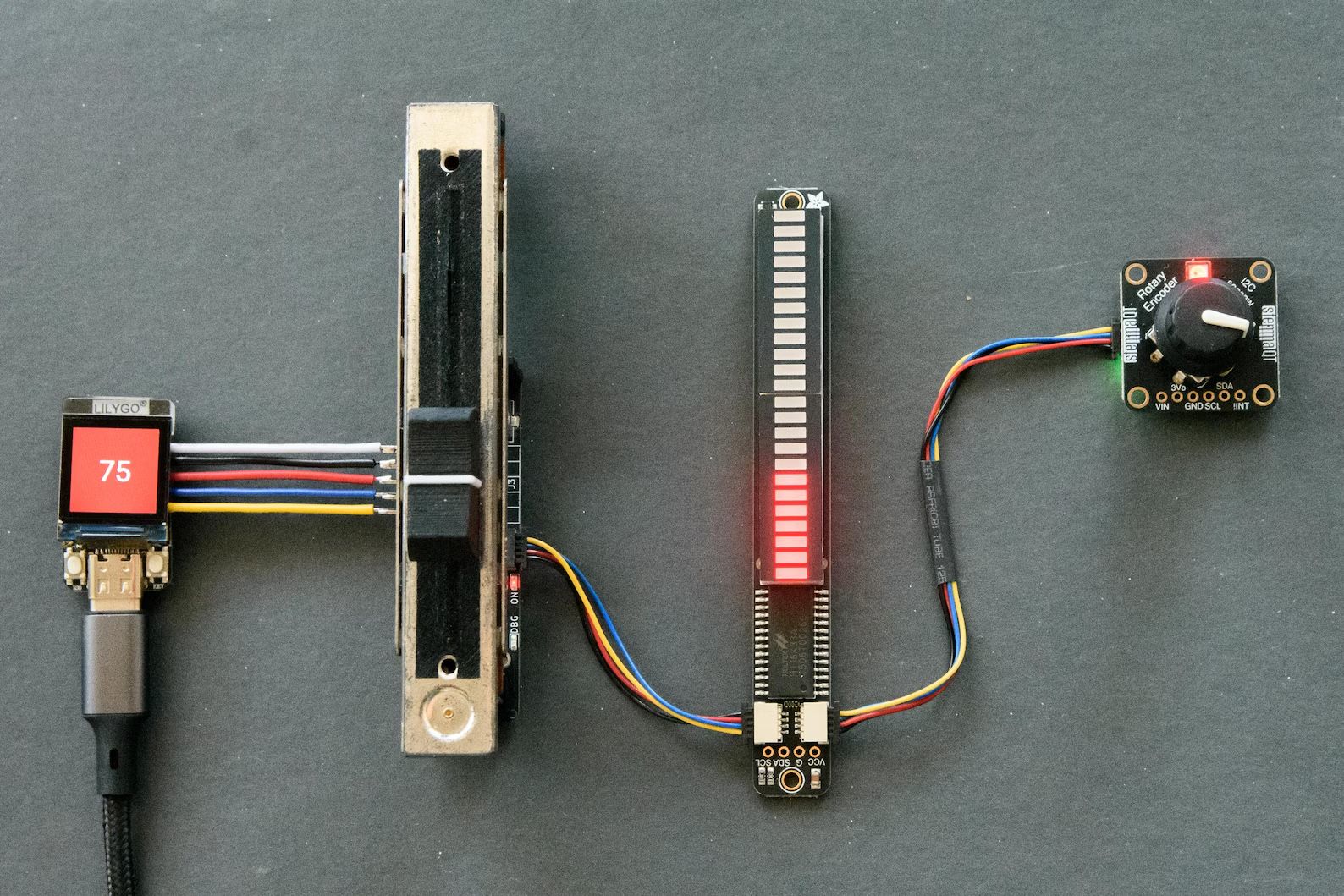
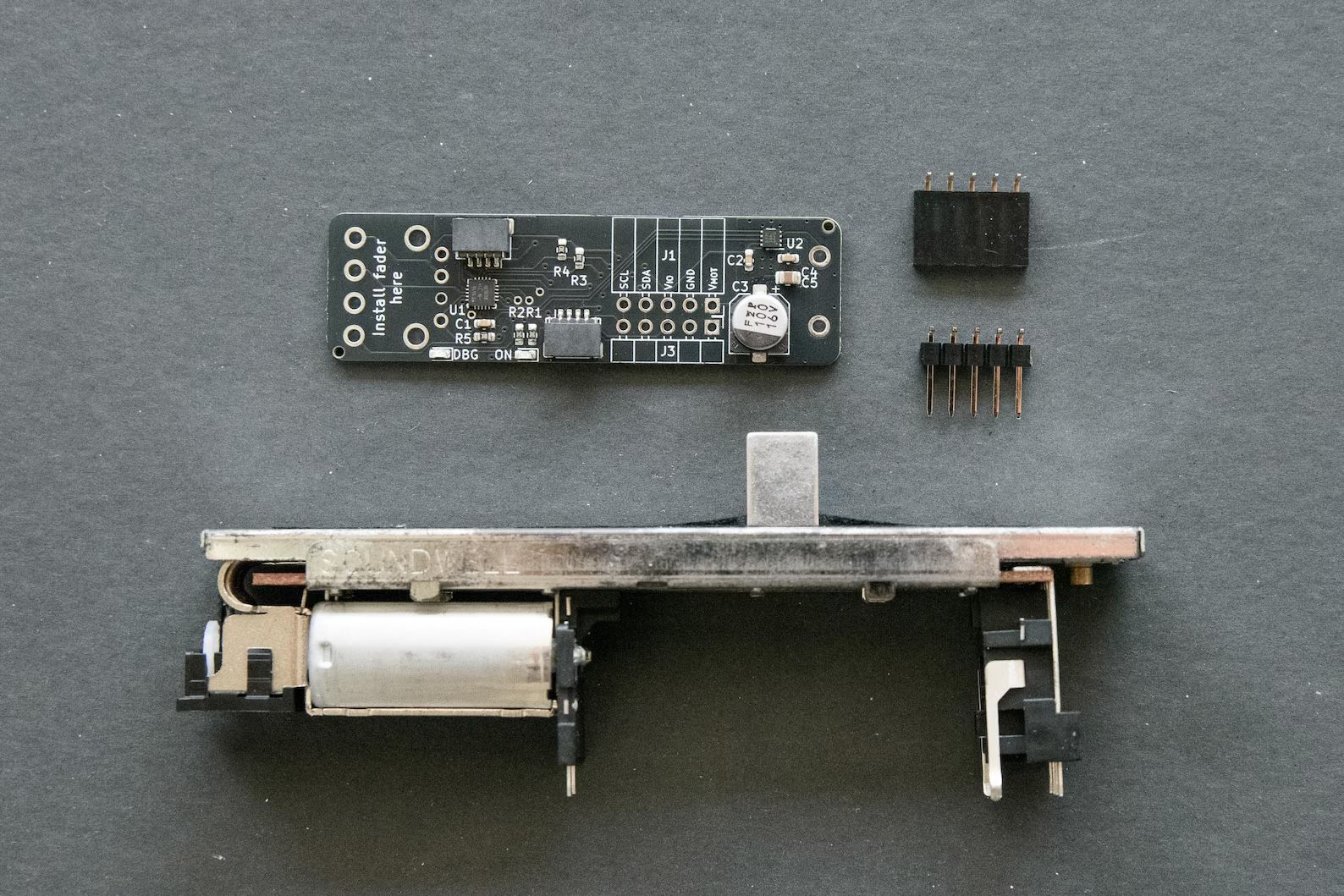
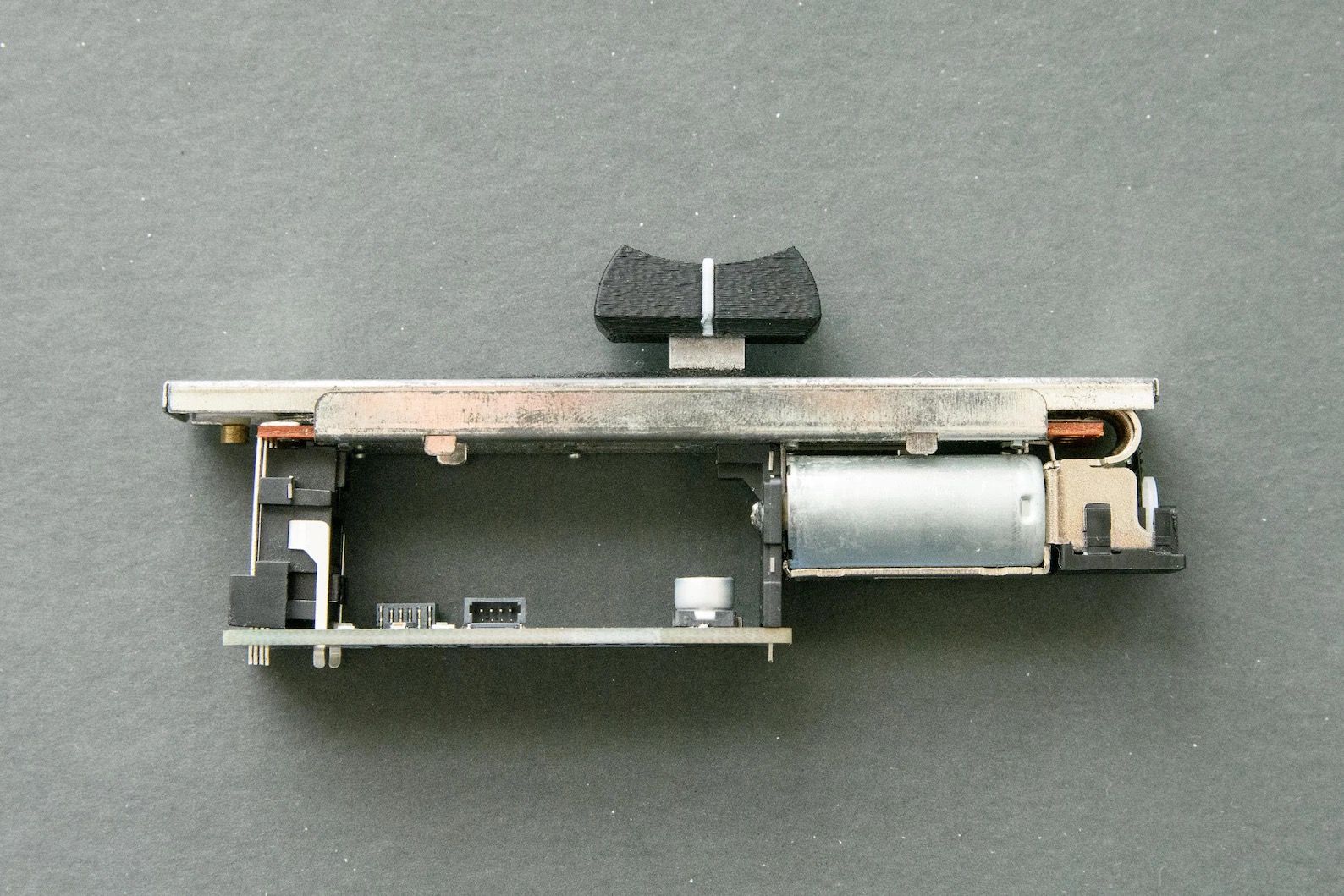
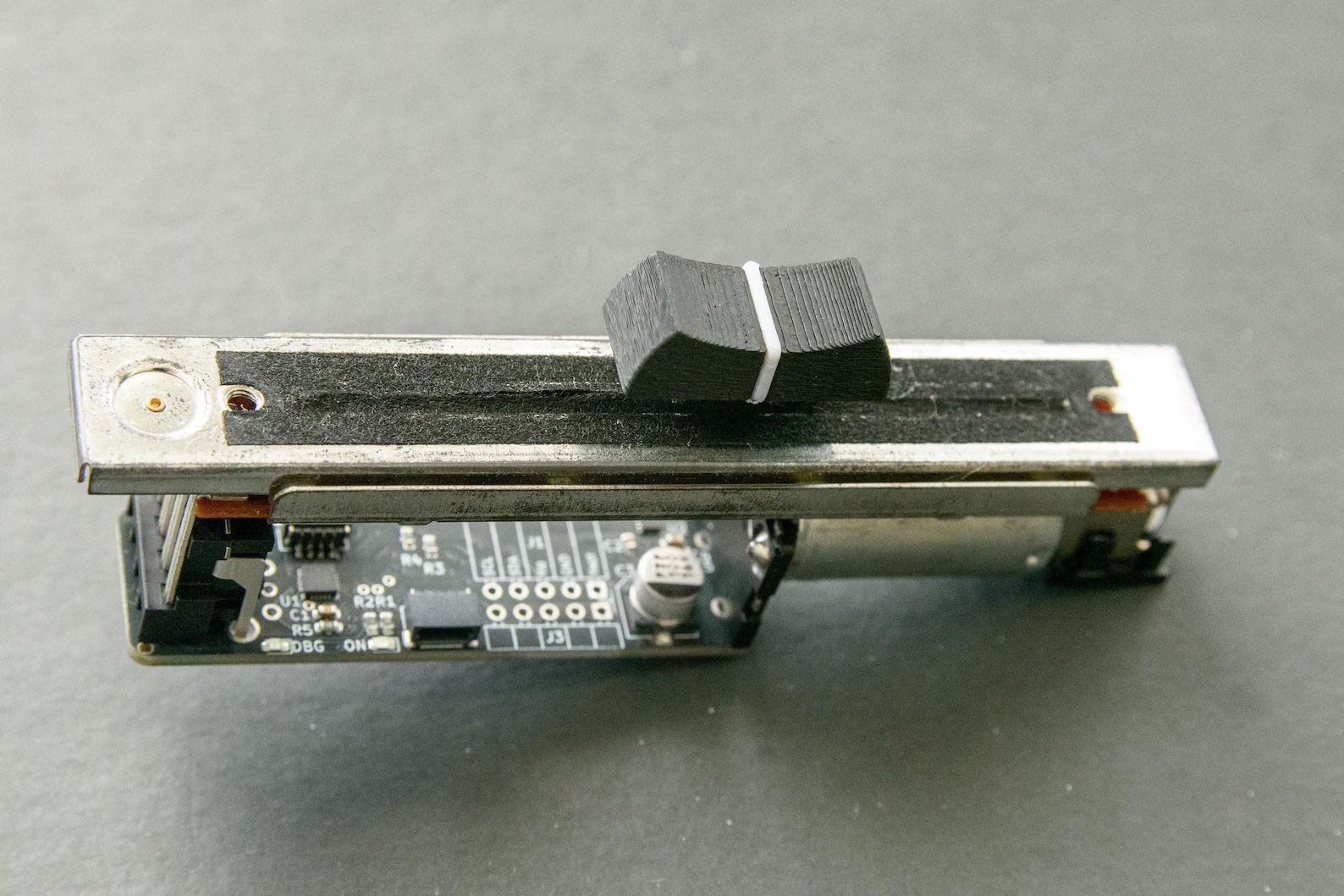
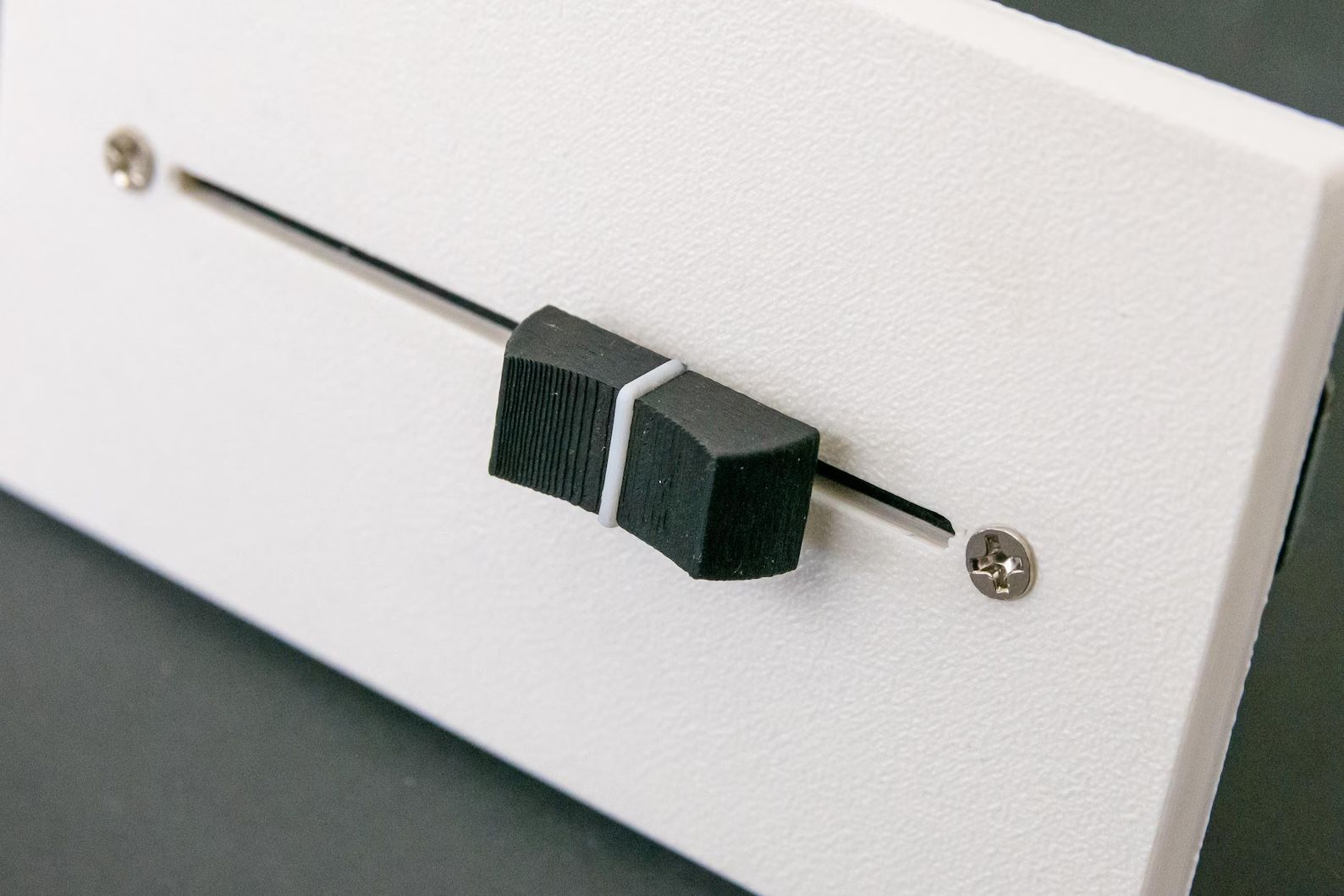
Key Capabilities & Features:
- ESPHome Integration: Programmed through simple YAML markup without requiring complex custom software drivers.
- Advanced Control Modes: Supports smooth linear fading, customizable physical detents for preset modes, and a "return to center" configuration.
- Flexible Hardware Sourcing: Builders can order pre-assembled PCBs directly or produce custom boards using open schematics and design files published on GitHub.
Custom Consoles: Sacrebleu Studio’s Home Assistant Project
Beyond modular boards like FaderBuddy, custom hardware designs demonstrate the potential of studio-style smart home control consoles. Developer Alex at Sacrebleu Studio created a dedicated Home Assistant lighting console housed in walnut and aluminum.
- Components: Utilizes Alps Alpine motorized faders paired with a rotary encoder and an AMOLED display.
- Context Switching: Rotating the encoder changes the active room selection. Upon switching rooms, the motorized faders immediately move into place to reflect the current light settings of that specific room.
- Preset Management: Dedicated side buttons permit rapid toggling between lighting scenes.
Conclusion & Resources
Motorized faders bring high-end tactile feedback and visual state sync to DIY smart home controls. Projects like FaderBuddy and custom ESP32 consoles showcase how microcontrollers can seamlessly bridge physical surfaces with home automation platforms like ESPHome and Home Assistant.
- FaderBuddy Open Source Code & Schematics: FaderBuddy GitHub Repository
- Pre-assembled Hardware: Bezek Labs Etsy Store
- Sacrebleu Studio Console Overview: Home Assistant Community Forum Thread and Sacrebleu Studio Project Page