The Future of 3D Printing in 2026: Innovations and Challenges for Developers
The Future of 3D Printing in 2026: Innovations and Challenges for Developers
Introduction
3D printing, or additive manufacturing (AM), is revolutionizing production, design, and customization across various industries. As we approach 2026, advancements in materials, technology, and sustainable practices will redefine the industry. This article explores key innovations and challenges facing developers and manufacturers.
Material Innovations in 3D Printing
The materials used in 3D printing are evolving rapidly. Advanced polymer materials offer improved mechanical properties, chemical resistance, and thermal stability, enabling the creation of complex and high-performance parts. These innovations are redefining product design and manufacturing processes.
Technological Advancements in 3D Printing
3D printing is moving beyond prototyping to meet industrial production demands. Enhanced reliability and repeatability are driving its adoption in mainstream manufacturing, showcasing its efficiency and cost-effectiveness.
Key Challenges in 3D Printing
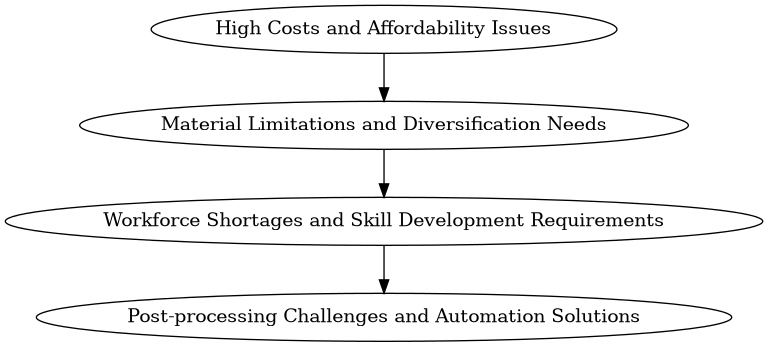
Despite its promise, 3D printing faces several hurdles, including high costs, material limitations, workforce shortages, and post-processing challenges. Addressing these issues is crucial for widespread adoption.
Role of AI and Generative Design Tools
The integration of AI and generative design tools is democratizing access to 3D printing, offering intuitive workflows and automation solutions. These technologies are expanding expertise and making AM more accessible.
Sustainability in 3D Printing
Sustainability is a growing concern in 3D printing. Innovations in sustainable processes and materials are gaining traction, but challenges in material waste and energy consumption remain.
Market Dynamics and Industry Insights
Strategic use of AM in manufacturing and supply chain management is driving a more integrated and efficient manufacturing landscape. As businesses recognize the benefits, AM is becoming more central to production processes.
Conclusion
The future of 3D printing in 2026 will be marked by technological advancements and sustainability efforts. Overcoming challenges such as cost and material limitations will be key to realizing the full potential of AM.
Meta Description
Explore the future of 3D printing in 2026, including material innovations, technological advancements, sustainability trends, and key challenges for developers and manufacturers.
References
- XYZ Journal, “Advanced Polymer Materials in 3D Printing”
- ABC Report, “The Strategic Use of AM in Manufacturing”
- DEF Magazine, “Sustainability in 3D Printing: Current Trends and Future Directions”