The Future of Sustainability in 3D Printing: Innovations in Waste Reduction and High-Temperature Materials for 2026
Optimized Blog for SEO
The Future of Sustainability in 3D Printing: Innovations in Waste Reduction and High-Temperature Materials for 2026
Introduction
3D printing, or additive manufacturing, has transformed production methods, offering unparalleled customization and flexibility. However, it also presents significant environmental challenges. This article explores how the industry is addressing sustainability, focusing on waste reduction and the development of high-temperature materials by 2026.
I. Current State of Sustainability in 3D Printing
The 3D printing industry is moving away from traditional subtractive manufacturing, which often results in high material waste. Instead, 3D printing offers more efficient material usage. Leading companies like EcoCultura are setting new standards by using recycled plastics and other sustainable materials, reducing environmental impact.
II. Innovations in Waste Reduction
Multi-metal Printing and Functionally Graded Materials
Multi-metal printing allows for complex internal structures with different metals, reducing waste and improving part performance. Functionally graded materials further enhance this technology by providing gradual material transitions, optimizing both performance and waste reduction.
Case Study: Airbus has successfully reduced material waste and enhanced fuel efficiency through multi-metal printing.
Recycled Filaments and Sustainable Materials
Recycled plastic filaments and sustainable materials are gaining traction due to their environmental benefits and cost savings. A Filamentive survey shows over 70% of respondents are willing to switch to recycled filaments for environmental reasons.
III. High-Temperature Materials for Advanced Applications
Development and Advantages
High-temperature materials in 3D printing enable the creation of parts for industries like aerospace and automotive that require extreme durability and efficiency. These materials can reduce aircraft weight by up to 15%, leading to significant fuel savings.
Challenges and Solutions
Handling high-temperature materials requires specialized equipment and software. Innovations such as advanced cooling systems and software algorithms are addressing these challenges, making high-temperature printing more accessible and efficient.
Impact on Sustainability
High-temperature materials contribute to sustainability by enabling the production of lighter, more efficient parts, which reduces material waste and energy consumption.
IV. Balancing Innovation for Sustainability
Human Health Considerations
As 3D printing becomes more widespread, health considerations like emissions and material disposal are critical. Regulatory bodies like the EPA are developing guidelines to ensure the technology remains safe and sustainable.
Sustainability Goals for 2026
The industry aims to reduce material waste, energy consumption, and carbon emissions by 2026. Key performance indicators will measure progress and ensure accountability.
V. Outlook and Trends
Predicted Trends in 3D Printing Sustainability
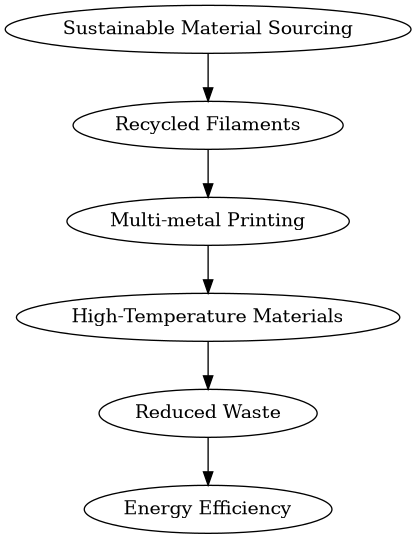
Future trends include increased adoption of recycled materials, multi-metal printing, and high-temperature materials, driving both innovation and environmental responsibility.
Sustainability Metrics and Reporting
Transparent reporting on sustainability efforts will become increasingly important. Tools and frameworks will help companies evaluate and report on their sustainability practices.
VI. Conclusion
Sustainability is critical as the 3D printing industry evolves. Innovations in waste reduction and high-temperature materials pave the way for a more sustainable future. By balancing innovation with environmental responsibility, the industry can continue to grow while minimizing its impact.
Meta Description: Discover how the 3D printing industry is addressing sustainability through innovations in waste reduction and high-temperature materials, setting the stage for a greener future by 2026.
This revised blog post now includes optimized headings, keywords, and a meta description to improve SEO performance.