The Impact of Technological Accessibility on 3D Printing in 2026 and Beyond for Developers
The Impact of Technological Accessibility on 3D Printing in 2026 and Beyond for Developers
Introduction
The advent of 3D printing has revolutionized the way we conceptualize and produce physical objects. As we look toward 2026 and beyond, the concept of technological accessibility will play a pivotal role in shaping the future of this technology. This article explores the evolving landscape of 3D printing, focusing on how advancements in accessibility will influence developers and industry practices.
Technological Accessibility in 3D Printing: A Preview of 2026
Today, 3D printing technology encompasses a broad range of materials, from plastics to metals, and offers solutions from hobbyist kits to industrial-grade additive manufacturing (AM) systems. As we approach 2026, trends suggest a continued push towards more accessible and user-friendly solutions. Industrial-grade AM solutions are expected to improve in affordability and efficiency, further democratizing access to advanced 3D printing capabilities.
Democratization of 3D Printing Technology
The rise of makerspaces and outsourced 3D printing services has played a crucial role in making technology more accessible to individual users and small businesses. These platforms offer affordable access to high-end equipment and expertise, facilitating a more inclusive approach to innovation and production. For example, a small startup in the medical device sector can now leverage these services to create prototypes and produce small batches of custom products, significantly reducing the barriers to entry.
The Evolution of User-Friendliness and Usability
A critical shift in 3D printing technology is the move towards more intuitive, user-friendly interfaces that adhere to the “what you see is what you get” principle. This evolution simplifies the process for beginners and enhances productivity for seasoned professionals by reducing the time needed for complex design and setup processes. As a result, conventional manufacturing processes are increasingly being overshadowed by the flexibility and speed offered by 3D printing.
Impact on Developers and Industry 4.0
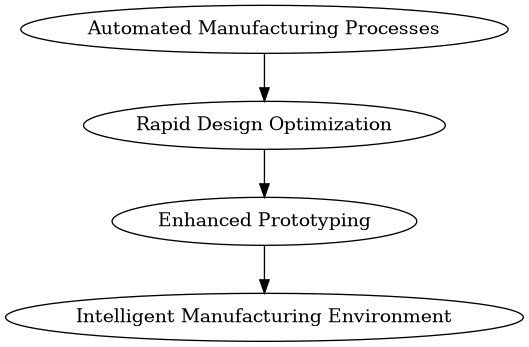
The rise of 3D printing has significant implications for developers involved in automated manufacturing processes and rapid design optimization. Enhanced prototyping capabilities allow for faster iteration and refinement of designs, leading to more informed and efficient production cycles. Furthermore, the integration of 3D printing with Industry 4.0 initiatives fosters a more connected and intelligent manufacturing environment, enabling real-time data analysis and adaptive manufacturing strategies.
Future Directions and Challenges
Looking ahead, emerging trends such as the use of AI in design and production optimization, and advancements in materials science, will continue to drive the evolution of 3D printing technology. However, scaling accessibility while maintaining quality and efficiency remains a significant challenge. Developers and manufacturers must strategize effectively to address these challenges, ensuring that technological advancements do not come at the cost of practical usability and reliability.
Conclusion
In conclusion, the journey of 3D printing towards greater technological accessibility in 2026 and beyond is not just about providing more affordable and user-friendly tools. It is about transforming the way we approach design, manufacturing, and innovation. For developers and industry stakeholders, embracing these changes presents an exciting opportunity to shape the future of production and manufacturing.
References
- Gartner, Inc. (2023). “Hype Cycle for 3D Printing, 2023.”
- Wohlers Associates. (2023). “Wohlers Report 2023: 3D Printing and Additive Manufacturing.”
- The Economist. (2023). “The future of manufacturing: 3D printing and Industry 4.0.”
Meta Description: Explore how technological accessibility will shape the future of 3D printing in 2026 and beyond. Discover the impact on developers and industry practices, and learn about the democratization of 3D printing technology.